*Disclosure: This article is general education, not legal or financial advice. Credit repair can't remove accurate, timely information, results vary by file, and you can dispute errors with the credit bureaus yourself at no cost.*
Having a strong credit profile is an essential part of life in our society. Credit scores are extremely commonplace in all lending institutions and are vital in judging creditworthiness. These scores can be used for things such as employment and rental approvals. With that said, the following article helps readers understand how having a higher credit score may positively affect auto insurance rates.
Your auto insurance rate is determined by many factors. One large factor that many auto insurers use to calculate your auto insurance score is your personal credit score.
Most people are familiar with the concept of a credit score, but fewer may be aware that it can affect how much they pay in premiums for auto insurance. In reality, many auto insurance providers use what's known as an "auto insurance score" to calculate your rate, and elements that influence your credit score also have a significant impact on this score.
If you discover that insurance companies are giving you unfavorable prices because of your bad credit, raising your credit score will help you obtain better vehicle insurance rates amongst other things that are based on your credit score.
What Is An Auto Insurance Score?
A consumer credit score and an auto insurance score are both based on the same data points, but the two types of scores are computed slightly differently.
Your credit score is majorly based on the data found in your credit report. This overall score is generally used to estimate your likelihood of making timely payments. Lenders base their decisions on consumer credit ratings, which have an impact on factors like interest rates, loan amounts, and payback terms.
Auto insurance scores also use many of the same data points from your consumer credit report, however, it may weigh some of these factors differently. Your auto insurance score also takes into account aspects of your driving and insurance history, and these details are not included in a conventional credit report.
While the practice of using auto insurance scores is quite common, it is prohibited or heavily restricted in California, Hawaii, Massachusetts, Maryland, Michigan, Oregon, Utah, and Washington.
In What Ways Do Auto Insurance Scores Affect Your Auto Insurance Rates?
Your auto insurance score tries to estimate how likely you are to make a claim. When it comes to auto insurance, studies have shown that drivers with less-than-great credit are more likely to submit claims, which, like many other types of insurance, affects the amount you pay.
Low auto insurance scores are more likely to result in less enticing (and hence more expensive) premiums because drivers who are more prone to file claims cost auto insurance firms more money.
How Are Auto Insurance Scores Calculated?
The following five major credit criteria are taken into account when calculating an auto insurance score, and they are listed in order of how much weight each one has on a typical credit report:
- Your payment history
- What percentage of your available credit is used
- Your credit history's length
- Recent applications for new credit (hard inquiries)
- The mix of credit you have
Your auto insurance score also considers driver- and vehicle-specific factors in addition to the aforementioned. These elements could consist of:
- Driving record
- History of claims and accidents
- Vehicle year, brand, model, and color
- Zip code
- Driver gender and age
- Relationship status
- Occupation
- Prior insurance policies
- Estimated annual mileage
Who Generates Auto Insurance Scores?
FICO, LexisNexis, and TransUnion are the three main firms that provide vehicle insurance scores.
FICO® Auto Score 9 XT
Traditional credit scoring has been standardized by FICO credit scores since 1981. FICO added vehicle insurance scores to its offerings in 2016. TransUnion®, one of the three main credit agencies in charge of traditional credit reporting, provides the data that FICO Auto Score 9 XT uses.
Your FICO Auto Score 9 XT spans from 250 to 900, and its algorithm gives specific consideration to borrowing behaviors that are significant to auto lenders, such as whether your overall debt has increased recently. A decent FICO Auto Score 9 XT score is generally regarded as being 700 or higher.
The FICO Auto Score 9 XT also gives more weight to a person's behavior over the previous 30 months, so those with a troubled borrowing history who have improved over the last year will benefit from the FICO algorithm.
LexisNexis Attract Auto Insurance Score
A smaller credit reporting company called LexisNexis focuses on credit reports for particular industries, such as auto insurance ratings. Its information is taken from Equifax®, a credit bureau, and its scores vary from 500 to 997, with a score of 796 or above being regarded as an excellent score.
When an auto lender requests an auto insurance score from LexisNexis, the resulting report may contain the borrower's entire credit report or only excerpts, as well as a LexisNexis analysis.
TransUnion CreditVision Auto Score
TransUnion, one of the three major credit agencies, offers credit-based auto insurance scores in addition to conventional credit reports, unlike FICO and LexisNexis. TransUnion derives its car ratings, which range from 300 to 850, from its own credit information. 776 and above is regarded as an excellent score.
TransUnion CreditVision, like other scores, gathers information on prior payment behavior and borrowing patterns, providing over five years' worth of account trends as well as comprehensive information on the 30 months of history preceding the creation of the report.
Can You Check Your Auto Insurance Score?
Auto insurance scores are not as easily obtained and are not as easily accessible as credit reports and scores. There is no one-click option like there is with a conventional credit report, so you must phone or email LexisNexis or TransUnion to get your auto insurance score report. With its myFICO service, FICO makes it a little simpler to monitor your vehicle insurance score, but it costs $19.95 per month.
Fortunately, checking your vehicle insurance score isn't as crucial as checking your general credit report and score.
First off, unless you intend to enroll in a new auto insurance policy or move to a different insurance provider, your auto insurance score is irrelevant. You shouldn't worry about your auto insurance score if you don't own a car and aren't in the market for one.
Second, you don't necessarily need to check your credit score directly even if you're shopping for auto insurance. You can assume that if your credit score is good, your auto insurance score will be good too unless you have a poor driving record with many accidents and a lot of insurance claims. The factors that determine your auto insurance score overlap significantly with the factors that determine your credit score.
Ways To Improve Your Auto Insurance Score
The same techniques you would use to raise your normal credit score also work to raise your auto insurance score. Here are some techniques for raising both your credit score and your rating for auto insurance:
- Pay off your credit cards on time.
- Maintain open accounts.
- Reduce your credit utilization (the percentage of total credit available)
- Carefully manage your spending and pay off any existing debt
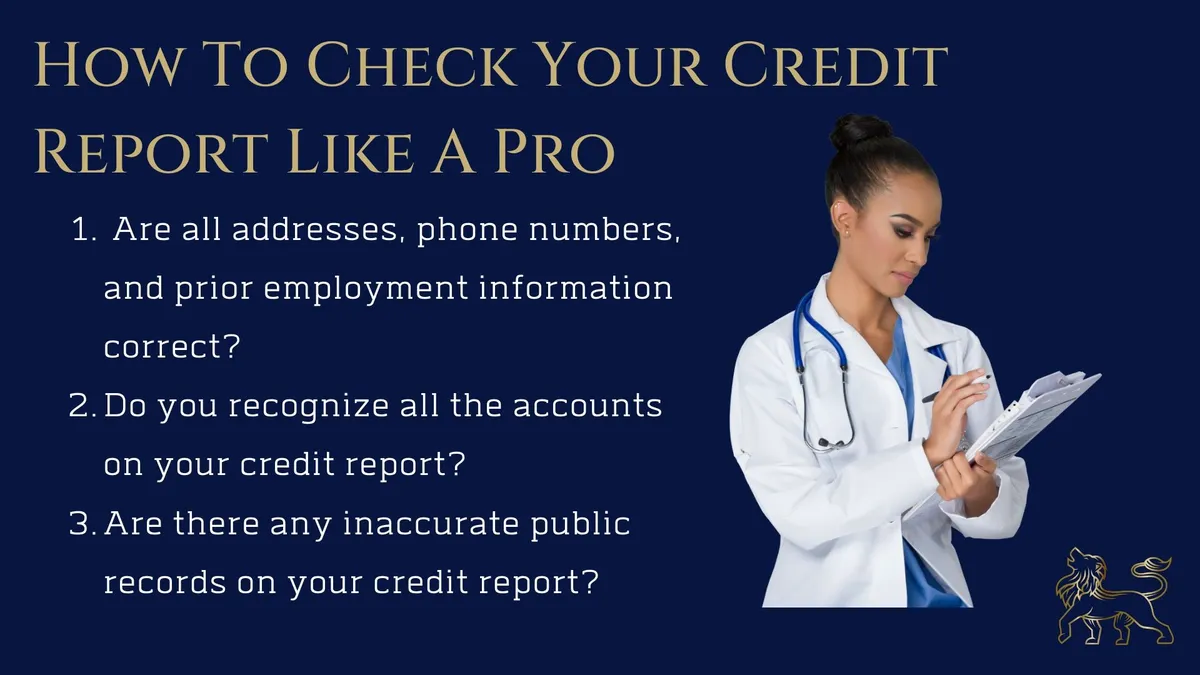
- Continually check your credit report for any inaccuracies
Correcting errors on your credit report is a crucial step in raising your credit score, which will subsequently raise your auto insurance score. Make sure to routinely check your credit report for errors. You are entitled to one free copy of your credit report from each bureau each year via AnnualCreditReport.com (during COVID-19 this privilege is now extended to a free credit report every 7 days).
The bottom line
If you are shopping for car insurance but worried that your rate may be too high, make sure your consumer credit report is in great shape. If you have any concerns with your credit score, the credit repair specialists at The Credit Lion can help you analyze your credit report and correct any errors to make sure your information is properly and accurately reported. To learn more about our services, schedule a courtesy consultation today!