*Disclosure: This article is general education, not legal or financial advice. Credit repair can't remove accurate, timely information, results vary by file, and you can dispute errors with the credit bureaus yourself at no cost.*
The information provided below is for you to better understand the different information on your credit report. Having a strong credit profile is an essential part of life in our society. Credit scores can be used for employment and rental approvals. Understanding how to read your credit report is vital for gaining a better grasp of your credit score. Credit Repair starts with being able to read and understand your report first!
Generic credit scores show you the bracket of credit that you fall under, and whether this bracket is considered fair/good/very good/exceptional by creditors and lenders. Your report, on the other hand, shows the nitty gritty of what is reported on your file, who reported it, when was it reported, payment history, etc. The important points to know about on your report include your personal information, account information, public records such as bankruptcies, and hard and soft inquiries.
The Nitty Gritty of Your Credit Report
You can generally access your credit report from the three main credit reporting agencies: Experian, TransUnion, and Equifax. On your report, you will find information about, including but not limited to,
- Payment History
- Hard and Soft Inquiries
- Public Records (such as bankruptcies, and foreclosures)
- Charge-off, collection accounts
- Civil Judgements
- Debt Settlements
- Repossessions
- Child Support
- Student Loans, as well as other types of loans
Errors on your personal information/accounts are more often than you would think. If you believe that you have been a victim of such an error, we offer a plethora of services to help you combat these errors and keep your credit where it should be!
What goes in my credit report?
Your credit report includes the following parts in it:
- Personal information
- Open and closed accounts
- Public Records
- Hard and soft inquiries
- Personal Information
This section of the report includes general information such as:
- Full name
- Address
- Date of birth
- Social security number
- Phone number
- Employment information
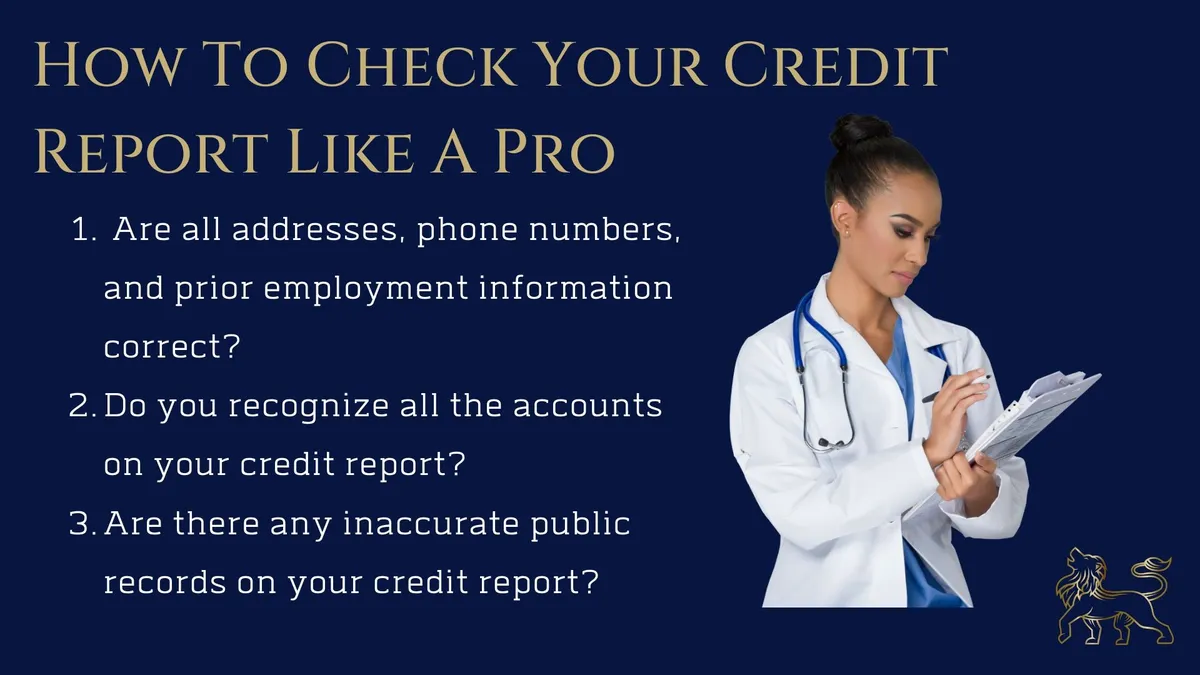
This information is updated every time a creditor reports something different. Therefore, when you see inaccuracies in this section, it might hint towards errors in your report, which can result in your score being affected. The following are some ways that the errors might show up:
- Multiple names on your report that you do not recognize: This could mean someone has access to your identity/personal information
- Inaccurate addresses that you never lived in
- Unrecognizable phone numbers
- Incorrect/Mixed Social Security Numbers: This could mean someone has control of your identity/information, and should be addressed as soon as possible!
- Open and Closed Accounts
This section will show all the important information on your report regarding accounts that you have opened. This includes:
- Open Accounts - accounts you have opened and actively use
- Closed Accounts - accounts that have been closed. These will also show the reason for closing, and accounts closed due to delinquencies can lower your score
- Account type - credit/merchant cards, auto loans, mortgages, student loans, etc
- Account Open and Close dates - pay special attention to these as they may be misreported by the 3 bureaus
- Payment History
- Credit Utilization - how much of the credit limit that you have do you use actively?
Watch out for any wrongful information being reported in this section. This includes, but is not limited to:
- Accounts that were never opened by you
- Charges you cannot recall. If you do not remember having a big charge on a card, yet the creditor has reported such a charge on your report, this will increase your utilization and decrease your score
- Late payments being reported on accounts that you paid off on time.
- Delinquencies you have also paid off but still appear on your report
- Public Records
Information regarding your legal issues that have been obtained from courts or other government organizations is included in public records. Bankruptcies, evictions, and monetary judgments are the most prevalent public documents. These affect your score, and if misreported, can be detrimental
Bankruptcies show up on your credit report and usually disappear after seven to ten years.
- Hard and Soft Inquiries
Inquiries are a way to show who pulled your credit information, and how frequently it has been done. It shows your habits for applying for new lines of credit. There are:
- Hard Inquiries - Pulled by creditors during the application process. That new card or auto loan you applied for created a hard inquiry on your report. These stay on the report for two years, so any inaccurately reported inquiries will lower your score
- Soft Inquiries - This is pertaining to you viewing your own report, or when creditors pre-qualify you for a certain credit line. These inquiries DO NOT affect your score
Here are some errors that could potentially misrepresent the number of inquiries on the report:
- Not recognizable inquiries: If you see any errors pertaining to the inquiries on your report, this could be a sign of identity theft. Contact The Credit Lion, and our specialists will gladly have a courtesy consultation with you to identify these errors
- Multiple hard inquiries from the same creditor: If you notice multiple inquiries from the same creditor, and the creditor did not inform you about this, you have the right to have these inquiries removed!
How Can I Get My Free Credit Report, and How Can The Credit Lion Help Me?
If there are multiple ways to get a free/very cheap credit report. AnnualCreditReport.com offers a free copy of your report, weekly. Additionally, you can also request free credit reports from Experian, TransUnion, and Equifax themselves.
After you get access to your free report, assess it, and make sure there are no inaccuracies being reported. Any small error on behalf of the creditors or the bureaus will affect your score. If you see any errors, such as unrecognizable accounts, inquiries, wrongful payment dates, amounts, or even discrepancies in the personal information part, The Credit Lion is here to help you get justice and remove those items from your report. Contact us today for your complementary consultation, where our professionals can take a look at your report and advise you on your next steps.