*Disclosure: This article is general education, not legal or financial advice. Credit repair can't remove accurate, timely information, results vary by file, and you can dispute errors with the credit bureaus yourself at no cost.*
Having a strong credit profile is an essential part of life in our society. Credit scores are extremely commonplace in all lending institutions and are vital in judging creditworthiness. Depending on the type of credit you are seeking, creditors will use different scoring models to determine your creditworthiness. In a society that demands so much pressure on having good credit, it can often be difficult for those in lower socioeconomic conditions to keep their credit score in a higher range. Struggles to pay bills and other expenses may quickly ruin their credit score. Fortunately, in this blog post, we will discuss some of the best ways to pay your credit card off! Some of these techniques may result in an even higher credit score!
Non-technicals aside, paying a credit card bill is relatively straightforward. The general procedure most Americans have grown accustomed to is to pay at least the minimum amount each month for security and repay in full to avoid any interest charges. Sounds easy, right? Sure, but like many other financial subjects, there are many nuances to consider.
Along with this, it is also important to understand how credit cards are paid to avoid interest charges and build solid credit history. A credit card statement has many dates and amounts that need to be tracked. As a borrower, you have a contractual obligation to pay on time, and this is also in your best interest.
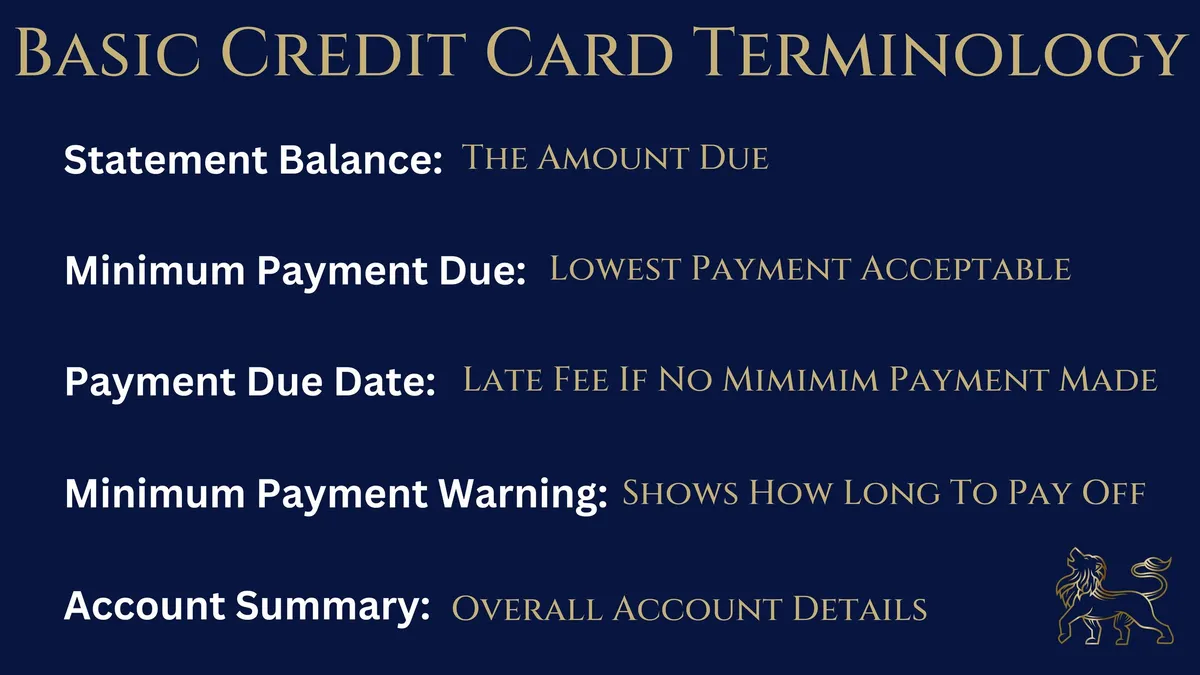
In this article, we will go through how to make a credit card payment, but first, it is important to understand what the statement you receive each month includes. The definitions of dates vary by credit issuer, but each statement has the same basics. It contains the following:
- Statement Balance
This is the amount owed for that billing period and is sometimes referred to as the new balance or outstanding balance.
- Minimum payment Date
This is the minimum amount that can be paid by the due date. It can be either a fixed amount or a percentage of the balance, depending on the terms of the credit card.
- Payment Due Date
Late fees will be charged if the minimum payment is not made by the specified date.
- Minimum Payment Warning
This shows how long it will take to withdraw your current balance if you have made only the minimum payment. It also shows what the interest looks like.
- Account Summary
This will show the way that the current balance was calculated. It is the addition of the running balance from the prior month, any purchases, interest charges, or fees from this current month, minus any credits and recent payments on the balance.
Your current balance will also factor in all payments and credits from that billing period. This may even include cashback benefits that are associated with your specific credit card. From this balance, you can decide how to pay.
What Options Are There For Paying Your Credit Card Bill?
- Online bill payment:
Most credit card providers allow you to link your checking account to make monthly payments.
- Money Transfer
Some lenders allow you to transfer money via wire to pay your bills.
- Cash/Cheque Payment
Depending on the creditor, you may be able to pay your credit card bill in person at your local bank or credit union or mail a check.
- ACH Payment You must provide your bank account number and routing number to your credit card issuer. Usually, this is done online or by phone.
All of the above payment methods are perfectly viable options. It depends on what your credit card issuer accepts and which method works best. Once you have decided on a payment method, stick to it. Add recurring reminders to your calendar, set up automatic payments, and set reminders in your mobile banking app. Then all you have to do is decide when to pay the bill.
When To Pay Your Credit Card Bill?
I bet this is an easy one to answer, right? If you said, "by the deadline", you would be right. However, besides the obvious answer, there is a bit of leeway when it comes to the date when you pay your credit card bills.
First and foremost, we strongly recommend that you pay your bill in full by the due date. This is valuable for several reasons. First, it has a positive effect on your credit score, and second, it lets your lender know that you can borrow money responsibly. It is important to allow time for your payment to process. That is why it is so helpful to pay a few days before your billing deadline (more on early payments later).
Depending on your credit card issuer, the time it takes for the payment to appear in your account will vary. This means that the amount of time between when a payment is sent and when it shows as "paid" on your account varies. It's definitely worth checking with your local bank about what counts as a payment on time and how long it takes for payments to appear in your account.
For example, if I want my check to be mailed, is my payment considered timely if the letter is postmarked by the due date, or if they have it in hand by said date? These are questions to ask yourself before signing up for a particular card. However, you are not obligated to pay the full outstanding amount immediately. Credit cards usually, but not always, have a grace period. The grace period is the period between the end of your billing cycle and the due date of your statement. During this period, no interest will accrue on purchases made during the previous billing period. This is the perfect time for multiple payments. This is explained below.
If you can't afford to pay all the balance due, we highly recommend paying at least the minimum amount by the same due date. This helps you manage your credit card debt and avoid expensive late fees. If you're using a card that offers 0% introductory APR (annual rate) and offers 0% interest on balance transfers, then minimum payments are a good option. You have to make a minimum monthly payment to avoid late fees, but you have more time before your bank starts charging interest.
Paying Your Credit Card Bill Early
Some high achievers may prefer to pay their account before the statement is generated. This means that when your bank generates your statement, your balance will show as $0. This is not a necessary step as there are no interest savings as long as there is a grace period. However, if you want to improve your credit score, paying early can help lower your total credit usage, which is the ratio of your total credit card balance to your total credit limit.
Carrying A Credit Card Balance
Another common misconception is that transferring balances monthly helps build credit, which is incorrect. Paying bills on time helps build credit. In fact, even if the loan already exists, it's better to pay the full amount if possible rather than transfer the monthly balance.
Credit Card Fees
When you pay your credit card monthly, you should be aware of some fees. It's important to understand these before signing up for any particular card.
Interest Charges
If you make a minimum payment instead of paying the entire statement, you will be charged interest, also known as a loan fee. Credit card lenders calculate interest based on your average daily balance. Interest accrues on this average daily balance over the billing cycle, and interest accrues daily when there are funds on the card. Avoiding interest is important if you want to grow your bankroll, especially if you're just starting out. Pay off your credit card balance in full by the due date to avoid debt and late fees.
Pay off your credit card balance in full by the due date to avoid debt and late fees. Here's how to find out how much interest you'll pay per day:
- Divide his APR on the credit card by 365.
- Please note that rates vary by individual and credit card used.
- The higher the credit score, the lower the interest rate.
- Check your card terms and conditions to understand how interest charges are calculated.
Most credit cards allow you to set up online payments that are automatically deducted from your checking or savings account. This ensures that your payments are made on time each month and avoids late payments.
Late Fees
Late fees will be charged if payment is received after the due date or grace period (if applicable). If you have an outstanding balance on your card, you usually have at least 21 days before it is due. Failure to make this payment will result in a late fee being charged.
Some cards have tiered late fees based on your credit card balance, while others have a fixed fee regardless of your card balance. By law, issuers can charge a late fee of $28 for the first default (or up to $39 if payment is late within the last 6 months).
As mentioned earlier, we recommend setting automatic payments to appear a few days before the due date to allow time for processing. When you set up automatic payments, you can choose dates and decide whether you want to pay a minimum amount, a custom amount, or the balance of your bill.
Tips for tracking credit card payments
Sure, it's hard to keep track of credit card payments when all your other bills are piling up. We've put together some tips to help you miss payments or receive late fees:
- Set up notifications. Easily set up text or email alerts to notify you when your payment is due.
- Consolidate payment dates. If you have multiple cards, you can request the same payment date by simply calling your card issuer or requesting it online. This eliminates the need to remember multiple payment dates.
- Understand credit card terminology. You often receive late payment or minimum payment warnings that indicate the consequences of not making certain payments. By learning about these concepts, you will be better able to respond to these warnings.
Tips For How To Keep Your Credit In Good Shape For Any Loan?
Make no mistake: Creditors seek out applicants with good credit history. Being selective about how they extend credit makes them assume less risk when trying to collect payment from their clients.
With that said, here are some bulletproof ways to maintain your credit score:
- Pay all bills promptly.
- Maintain modest credit card balances in comparison to your credit limits to benefit the credit usage scoring component, which has a significant impact.
- Use caution when requesting new credit. A surge in new applications may be a sign of troubled finances.
- If you don't have a strong cause to close an old credit card account, like a large annual charge, keep it open. Their credit limits increase your credit use, and older cards also increase the minor score element known as credit age.
If you have any collection accounts, charge-offs, derogatory medical bills, student loans, bankruptcies, or other items holding your credit score back, these must be attended to before applying for new credit. You can take care of these issues yourself or hire a credit professional like The Credit Lion, where we have experience with all varieties of credit accounts!